
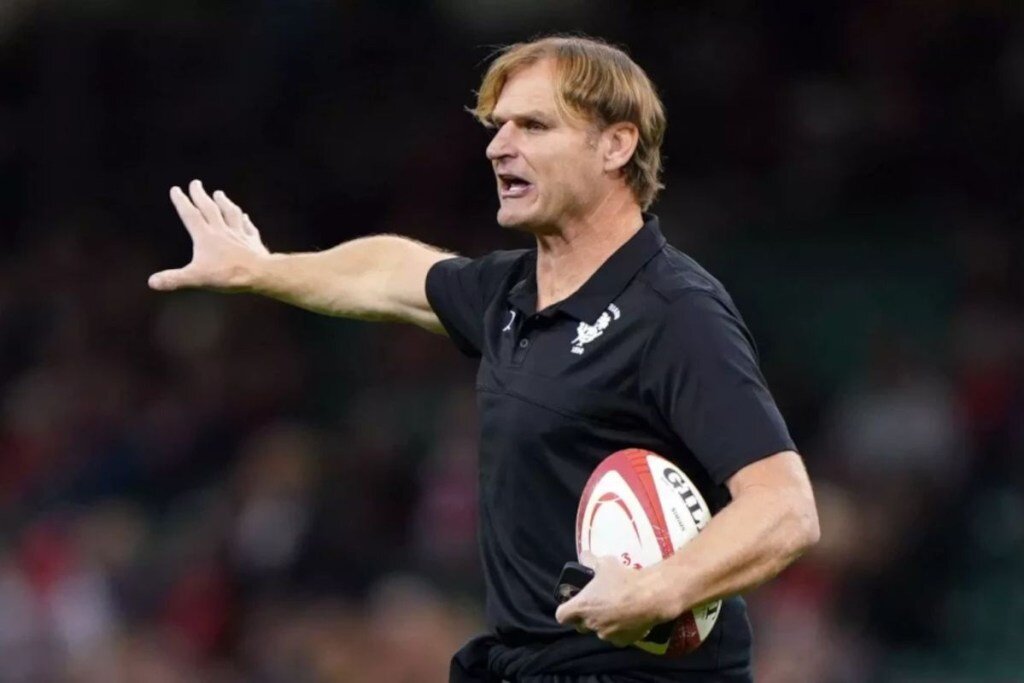
Scott Robertson’s sudden availability has already stirred the rugby betting markets, where speculation often moves faster than official statements.
As can be seen on the sportsbooks featured on the BettingTop10 NZ rugby section, the former New Zealand head coach is a prime contender to move to the northern hemisphere.
With that in mind, read on as we assess why other nations should be wary about appointing a man who ultimately failed to deliver with New Zealand.
Why Robertson’s All Blacks Exit Matters to Prospective Employers
Robertson’s departure from the All Blacks cannot be reduced to a poor run of results, especially since a 74 percent win rate would normally buy time in almost any other international environment.
What unsettled New Zealand was not the scoreboard but the sense that the internal temperature never stabilised, proving that Test rugby is unforgiving. The Herald’s reporting paints a picture of a coach squeezed by pressure, not undone by incompetence.
His emotional visibility in the coaching box, the infamous Twickenham moment, and the perception that communication with players lacked depth all fed into a narrative that became corrosive once it reached board level.
Whether that narrative was fair is almost beside the point. Once a review process starts gathering momentum without clear feedback loops, trust drains quickly.
This history matters deeply to Scotland or any other tier-one nation considering Robertson, as international head coaches operate less as tacticians and more as managers of entire ecosystems.
Selection calls ripple through provincial politics, senior player influence and media pressure. While Robertson thrived in Super Rugby by controlling culture tightly, the New Zealand job stripped that control away.
Any nation appointing him now would need to be clear-eyed, recognising that this is not a coach who failed on a technical level.
Scotland’s Appeal & the Danger of Mistaking Availability for Alignment
Scotland’s name keeps surfacing because the timing feels tempting. Gregor Townsend’s position is fragile, and Robertson would arrive with pedigree, charisma and immediate credibility.
The reality is more complicated because Scotland’s rugby culture is intimate, meaning the smaller player pool, tighter relationships and emotionally charged selection debates can either be an advantage for the right coach or a factor that magnifies friction
Robertson’s All Blacks tenure suggests he struggled when authority became diffuse, which does not present a challenge in Scotland, where authority is rarely absolute.
The union, clubs and senior players all hold significant influence, which is exactly why Franco Smith’s name is mentioned internally, as he understands that ecosystem and navigates it without drama.
There is also the question of patience. Robertson would arrive mid-cycle, with expectations shaped by his Crusaders legacy rather than the context he is walking into. If early results wobble, the same pressures that tightened around him in New Zealand could resurface quickly.
This is where Scotland must resist the seduction of availability, recognising that a coach being free does not necessarily mean he is the right fit.
Robertson would need structural backing, role clarity and insulation from review politics to succeed, otherwise the appointment risks becoming another short-term fix dressed up as ambition.
Redemption is Possible, But Only Under Different Terms
None of this suggests Robertson’s international coaching story is finished. The 51-year-old has time, experience and a reputation that still carries weight.
History is kind to coaches who step away, recalibrate and return with sharper self-awareness, with Sir Wayne Smith serving as the obvious example of how the right framing makes all the difference.
Robertson’s next role cannot be sold as redemption or rescue - it must be framed as a genuine partnership. Clear reporting lines, defined authority and honest feedback channels are non-negotiable. Without them, even success becomes unstable.
The launch of the inaugural Nations Championship in 2026 has inadvertently created a ‘sliding door’ moment for Robertson's career.
While New Zealand Rugby (NZR) initially spoke of a 12-month non-compete clause following his departure in early 2026, the specific wording of that agreement is under intense scrutiny.
Scotland, if they choose him, must do so with eyes open, recognising that the bet is not on his rugby intellect but on his ability to integrate into their specific culture.
That has never been in doubt, as the true wager lies in whether the environment around him has learned from the New Zealand experience.
Get that wrong, and even the shortest odds will quickly turn against you.